April 18th Online Session Abstracts
Five engaging talks with expert speakers.
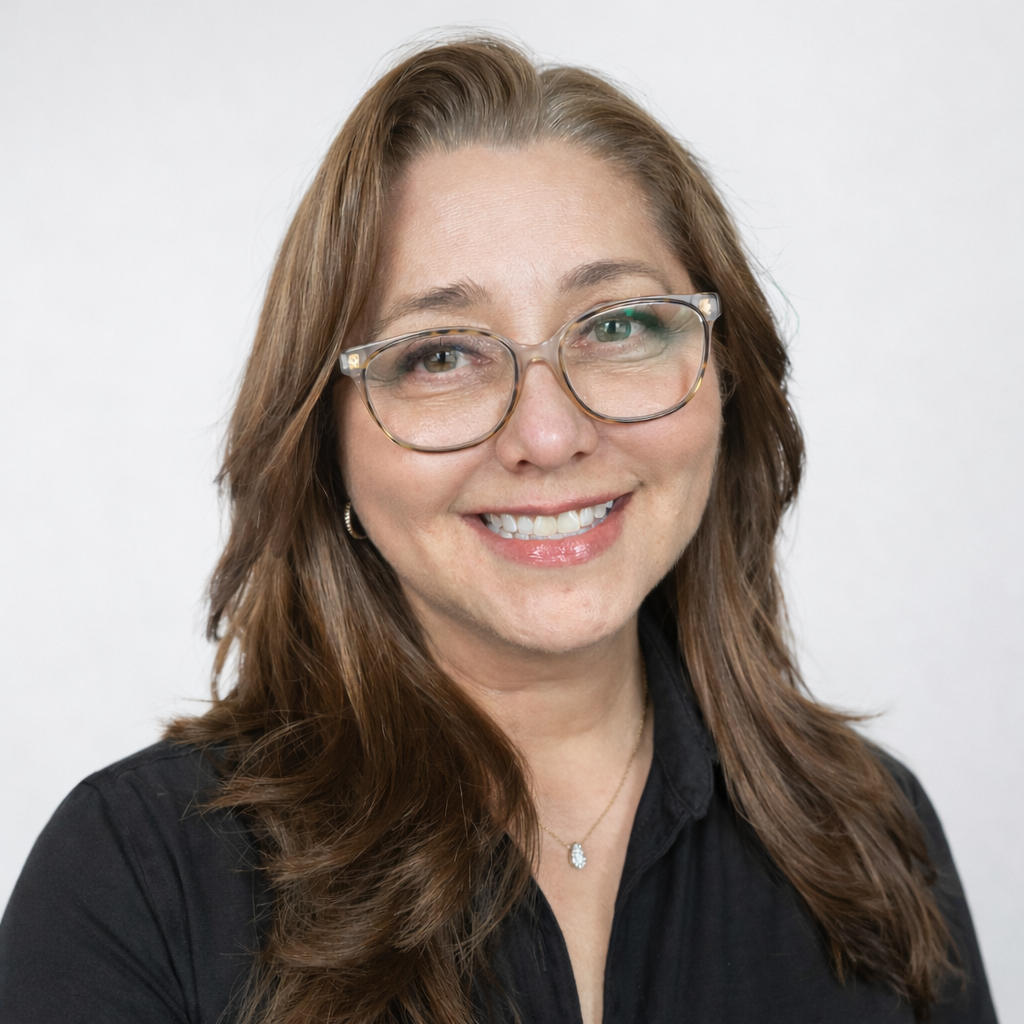
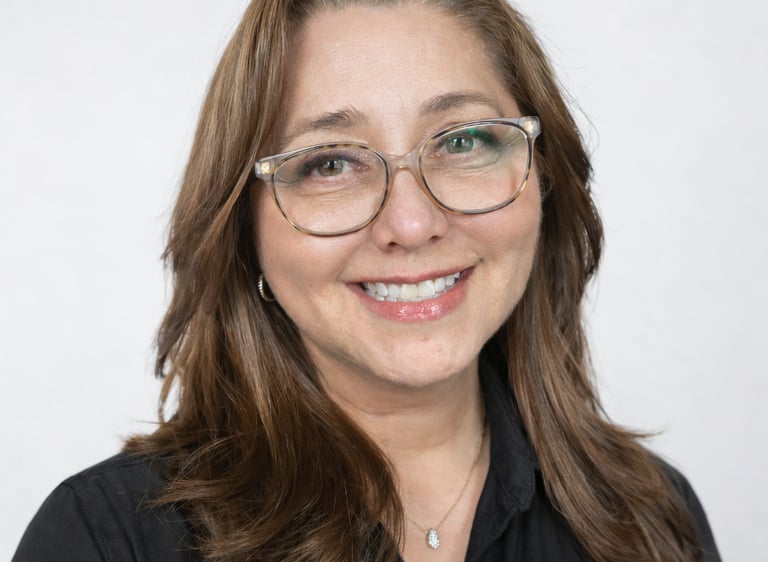
Pivoting with Purpose: The Future of Translators and Interpreters in a Technology-Driven World
By: Nora Díaz
In this forward-looking keynote, Nora Díaz explores how the translation and interpreting professions are evolving in response to technological change. With a realistic perspective, she examines how language professionals can pivot to meet new industry demands, reposition their expertise, and highlight the talents that are increasingly valued in today’s market. The session will offer practical insights for those ready to adapt, grow, and thrive in a rapidly changing landscape.


The Translator’s Dilemma in the Post-Localization Era: Reinventing Yourself in the Face of AI
By: Arle Lommel
Since personal computers first became common in the 1990s, translators and other language professionals have been at the forefront of adopting new technologies. Nevertheless, widespread sentiment – amplified by a credulous tech press – holds that translators will be replaced by increasingly capable transformer-based AI (neural machine translation and LLM-based translation). Although this sentiment may be true for some use cases, it does not apply to all of them, but language professionals are adapting to use AI in various ways to extend their abilities. Based on a large-scale survey of language professionals, Arle Lommel, VP of Research at CSA Research, will describe the technology trends and factors that affect them and how they are responding proactively to use and implement technology. The picture that emerges is of a group of skilled professionals who are creatively adapting to changing circumstances. The presentation will also discuss multiple ways of envisioning the relationship between professionals and technology and talk about how to ensure that human expertise remains relevant.
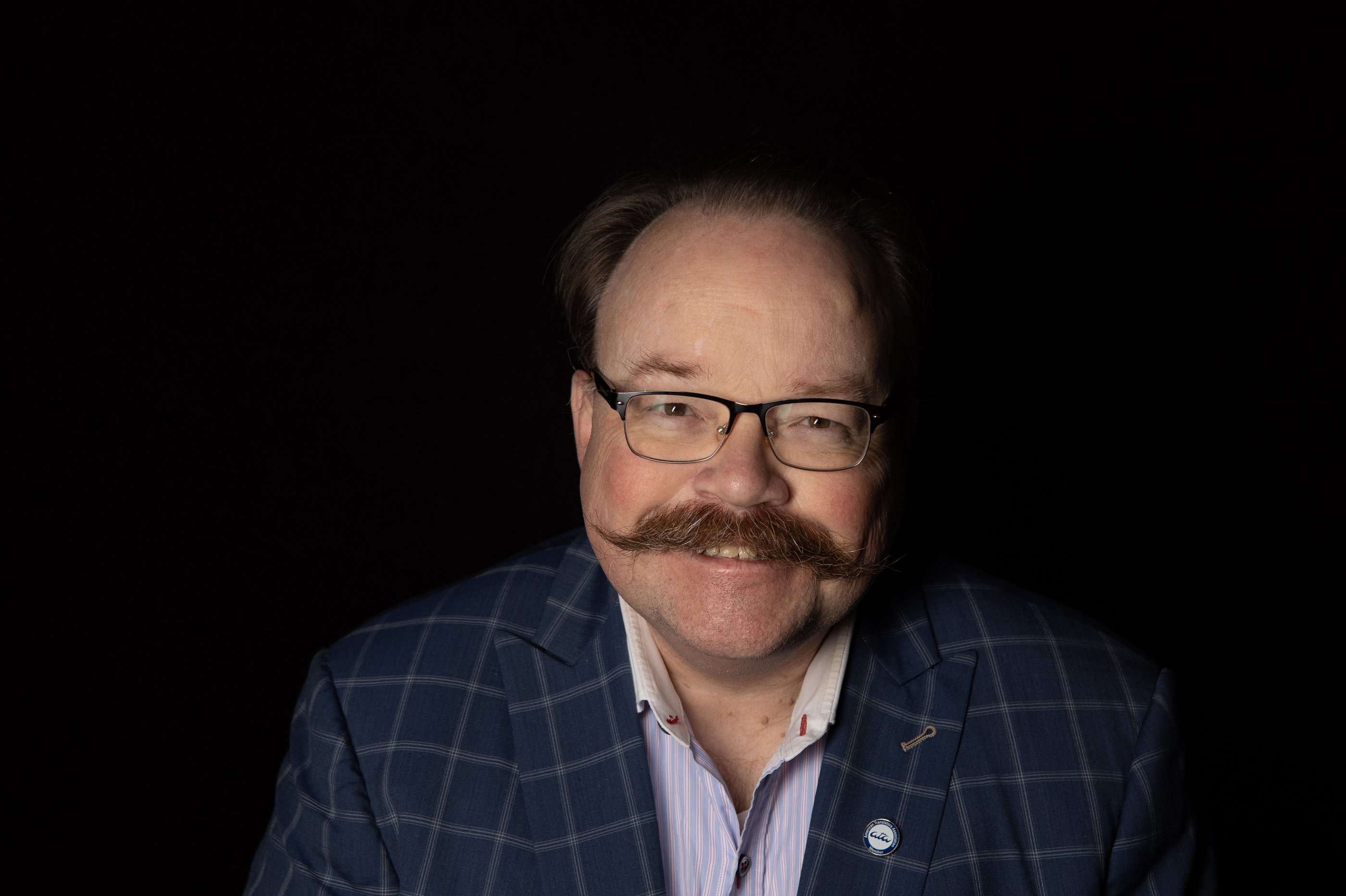
Language Access: Where Do We Stand?
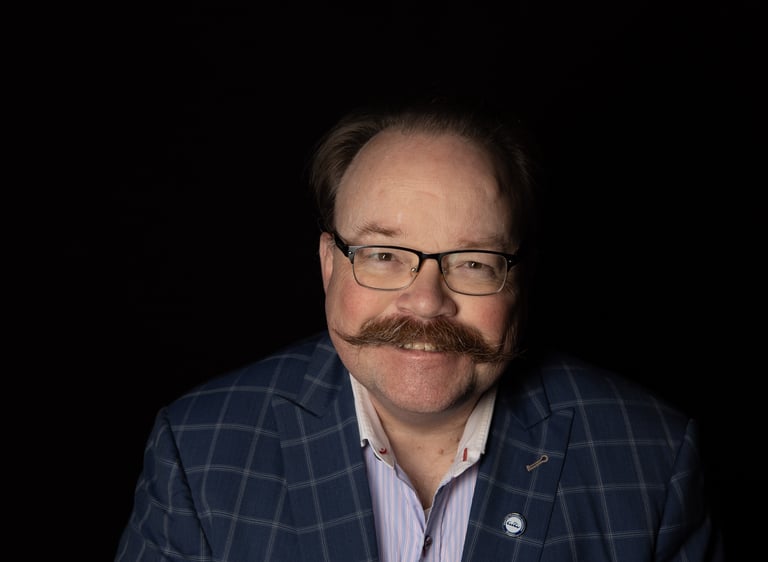
By: Bill Rivers
On March 1, 2025, President Trump issued an executive order designating English as the official language of the US and revoking Executive Order 13166, which was signed by President Clinton in August 2000. This presentation will cover the developments in language access in the past year, including state and local efforts to preserve language access, and the role that AI may play in language access.
Workshop: AI Tools for Today’s Language Professional
By: Nora Díaz
This hands-on workshop introduces a curated selection of practical tools that translators and interpreters can immediately integrate into their professional workflows. The session focuses on a number of high-impact solutions that enhance efficiency, preparation, quality control, and strategic use of technology.
Best Practices for Responsible AI, Cybersecurity, and Compliance
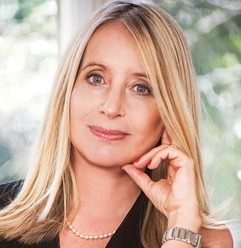
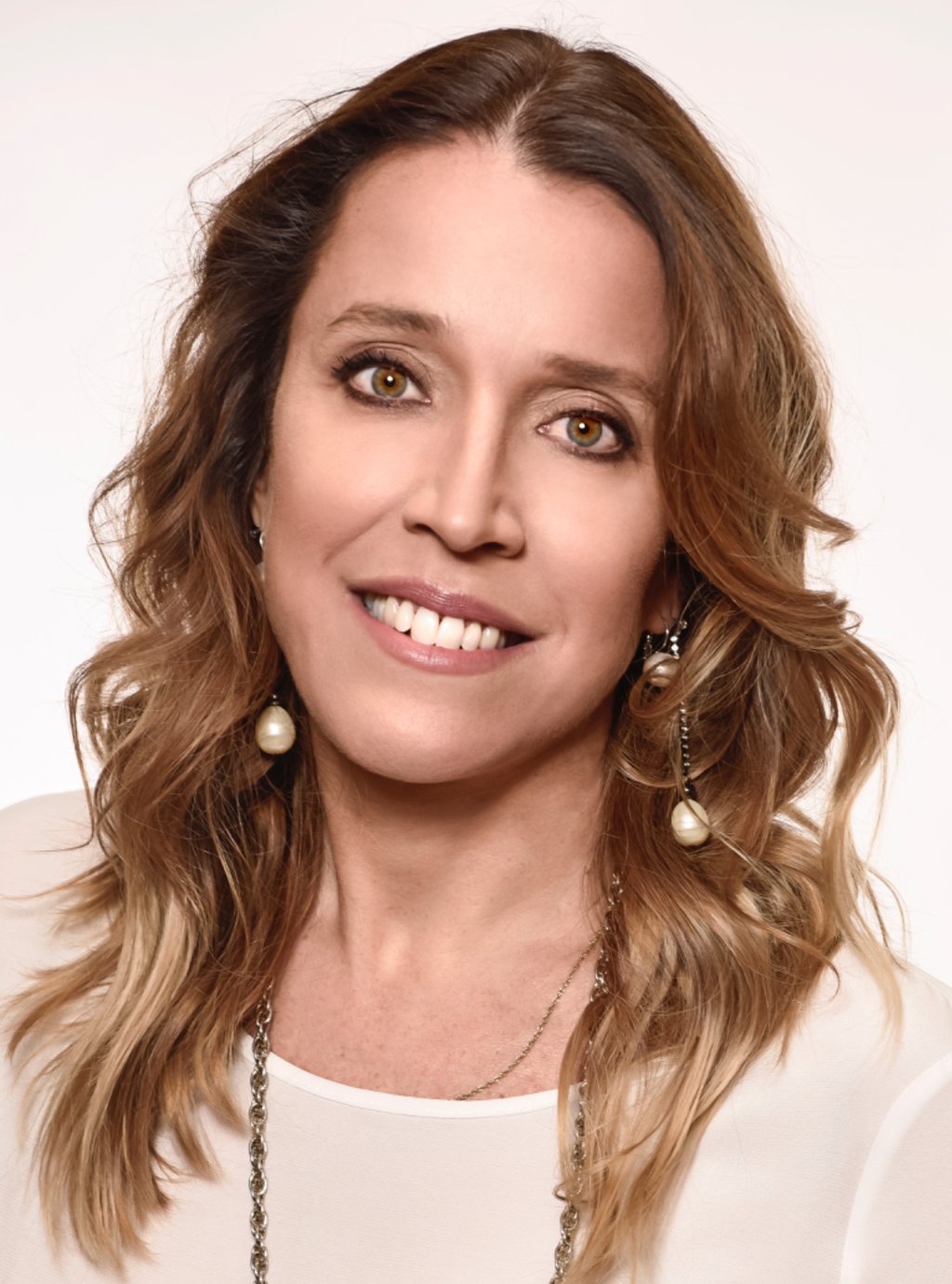
By: Gabriela Escarrá & Dolores Rojo Guiñazú
This session moves beyond hype and fear to provide concrete workflows and tools that protect both clients and practitioners. The speakers will explore best practices for integrating AI tools while safeguarding confidentiality, ensuring cybersecurity, and maintaining compliance with professional and regulatory standards.